
Five use cases and benefits of chatbots in telecoms

Telecom companies serve large customer bases, and rising expectations have made it challenging to meet customer demands quickly. Despite heavy investment in customer support, satisfaction levels continue to decline.

Chatbots offer telecom companies a way to deliver faster, more convenient customer service and enable self-service across multiple channels.

5 Chatbot Use Cases in Telecoms

1. Automate FAQs

Support agents spend a lot of time answering repetitive questions. Chatbots can handle these queries instantly across multiple channels, freeing up support teams and reducing wait times.

2. Customer Self-Service

Chatbots allow customers to solve simple issues on their own, such as changing data plans or resolving minor problems without contacting support.

3. Purchase Subscriptions

Customers can easily renew or purchase subscriptions directly through chatbots, making the process faster and more convenient across different platforms.

4. Sending Notifications

Chatbots can deliver important updates such as data balance alerts or service notifications directly through messaging apps, increasing engagement.

Since users spend a lot of time on messaging apps, engagement rates are higher compared to traditional SMS or email notifications.

5. Surveys and Feedback

Chatbots provide a more interactive way to collect customer feedback and run surveys, leading to higher response rates.

Why Should Telecom Companies Use Chatbots?

1. Improved Customer Satisfaction

Chatbots provide instant responses and multiple support options, reducing wait times and improving overall customer experience.

2. Cost Reduction

Chatbots reduce operational costs by handling large volumes of requests without the need for additional infrastructure or staff.

3. 24/7 Support

Businesses can provide round-the-clock support without the high costs traditionally associated with 24-hour service teams.

4. Omnichannel Experience

Chatbots allow businesses to interact with customers across multiple platforms like web chat, WhatsApp, Messenger, and more while maintaining a consistent experience.

5. Higher Job Satisfaction

By automating repetitive tasks, support agents can focus on more meaningful work, improving job satisfaction and reducing burnout.

6. New Opportunities and Upskilling

Chatbots create new roles such as AI trainers and automation managers, allowing employees to develop new skills.

eBanqo for Telecoms

The chatbot market is crowded, making it important to choose the right solution.

With eBanqo, telecom companies can automate FAQs, provide self-service, and deliver seamless support across multiple channels.

Request a free demo to see how it works.

A Quick Guide to Chatbot Conversation Design

When businesses build their first chatbot, they often focus on use cases — the functions and capabilities — while overlooking the importance of the conversation that guides user interaction.

Chatbot conversation design is essential because it determines whether your customers will engage with your chatbot. A poorly written or unengaging conversation can cause users to drop off. So how can you design conversations that are engaging and help users complete actions easily?

What is conversation design?

A conversation is an interaction between two or more people where ideas and information are exchanged. Chatbot conversation design is the process of creating interactions between users and chatbots that mimic human communication.

It goes beyond what the chatbot says — it includes how and when it says it. The goal is to make chatbot interactions more natural and engaging.

Why is conversation design important?

Customers care less about how advanced your technology is and more about how well it solves their problem. Well-designed conversations guide users to complete their goals effectively.

Adding personality and a bit of humor makes interactions more enjoyable and increases the chances of repeat usage.

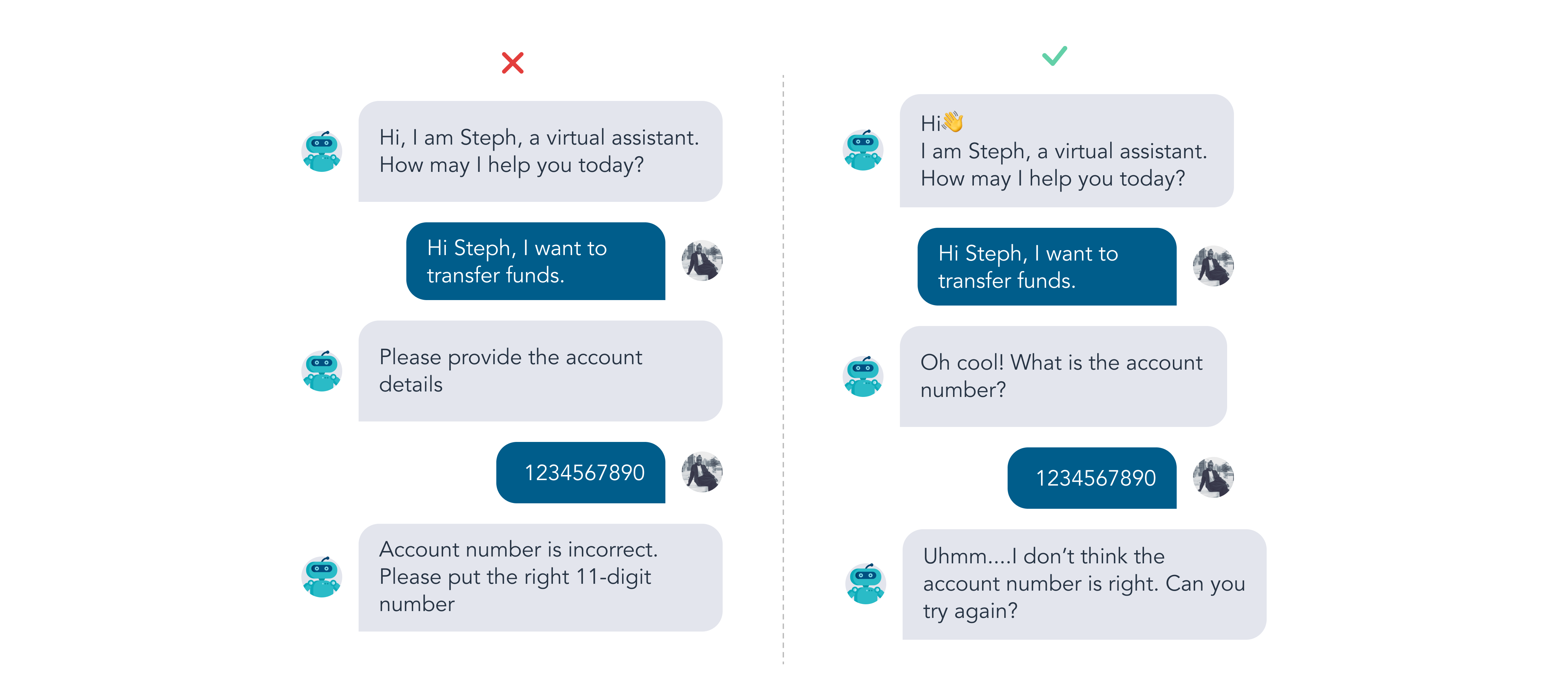
Chatbot conversation example

How to design a chatbot conversation

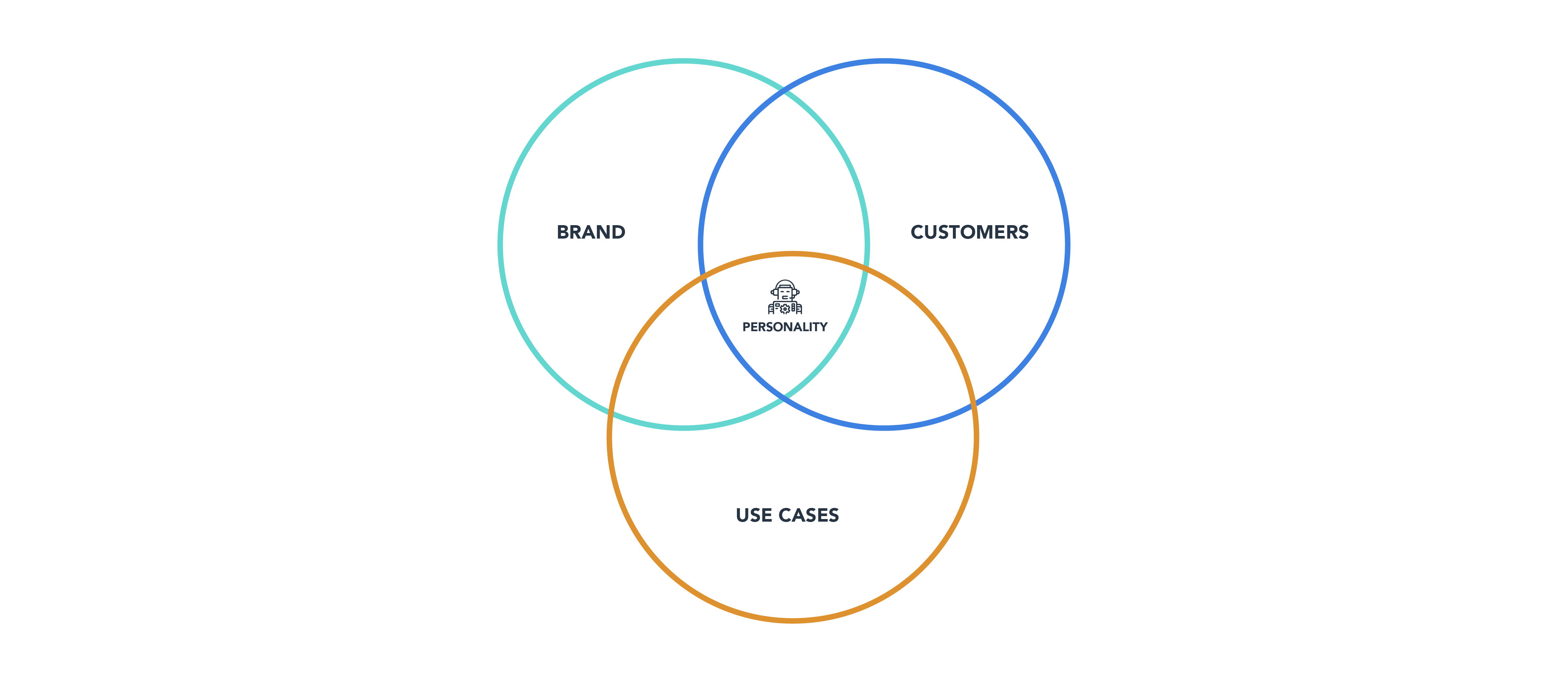
To design an effective chatbot conversation, you need to understand your users, define use cases, and determine your chatbot’s personality.

1. Define your users

Understand your customers’ communication styles and expectations to create relevant conversations.

2. Define use cases

Identify the key tasks users want to perform and focus on those.

3. Choose a personality

Your chatbot should reflect your brand voice while maintaining a balance between professionalism and friendliness.

Chatbot personality

4. Write conversation flows

Break down interactions into flows that guide users through decisions and actions.

For example, brands like Lego use engaging chatbot conversations to guide users toward purchases.

3 tips to write great chatbot conversations

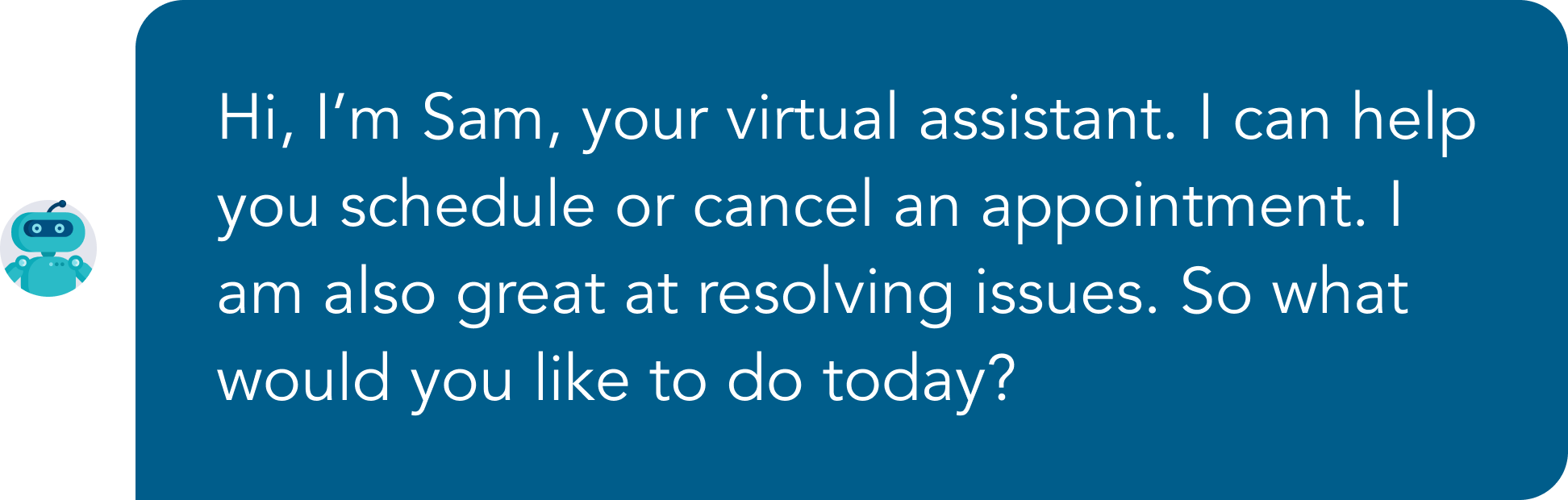
1. Opening sentence

Your opening sets the tone. Introduce your chatbot, explain what it can do, and guide the user.

Chatbot opening example

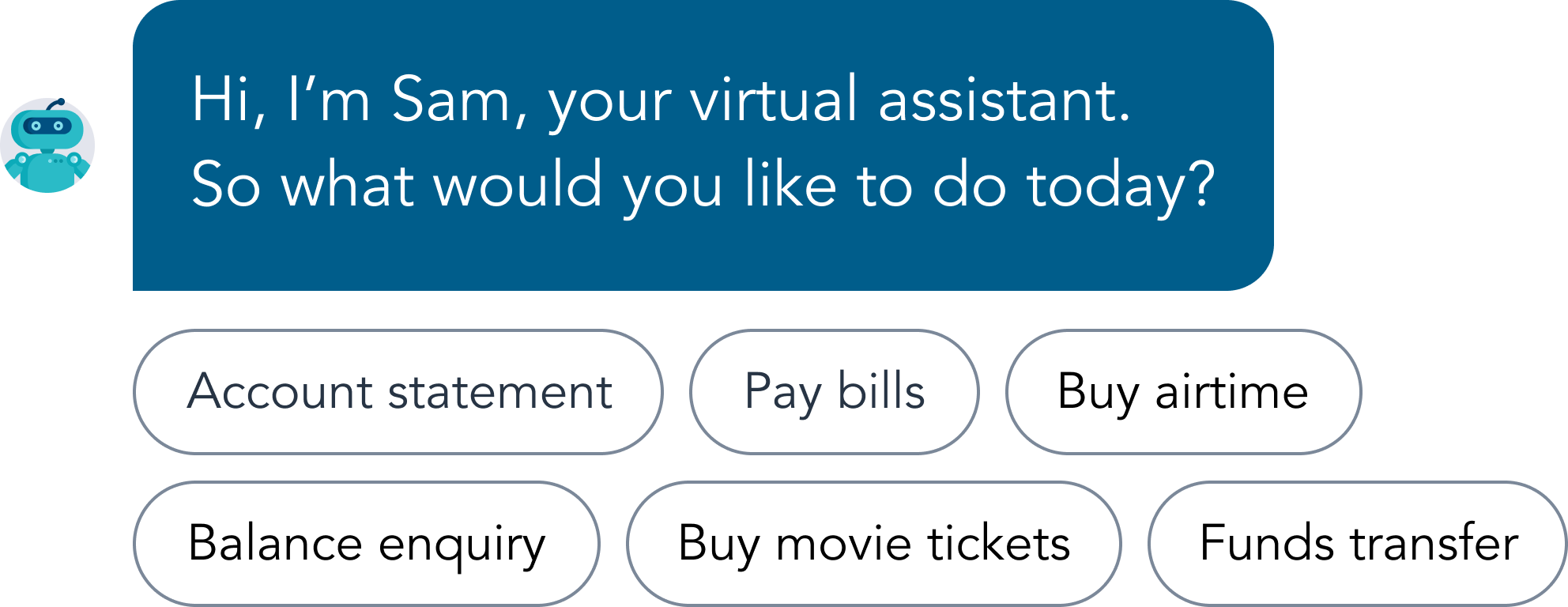
2. Handle out-of-scope questions

Your chatbot should gracefully handle questions it doesn’t understand and provide alternatives.

Quick replies example

3. Closing sentence

End conversations in a way that encourages users to return and engage again.

Key principles in chatbot conversation design

Users expect chatbots to behave like humans. Here are key principles to follow:

  • Mirror human conversations: Make interactions natural and intuitive.
  • Understand chatbot limitations: Plan for misunderstandings and provide fallback responses.
  • Keep responses brief: Avoid unnecessary information.
  • Recognize conversation signals: Detect when users are ending conversations.
  • Use familiar language: Keep wording simple and clear.

Chatbot conversation design is not just writing responses — it’s about creating meaningful, human-like interactions that guide users to achieve their goals.

5 Tips for Building a Stellar Customer Service Chatbot

Customers’ demand for rapid and convenient support has led businesses to pay more attention to customer service. They’re unwilling to put up with subpar service and 61% of them leave after an unpleasant experience.

Considering the competitive landscape and the fact that it’s more expensive to acquire new customers than to keep existing ones, businesses should do everything within their power to provide better support. One way is through a customer service chatbot.

Keep reading to learn more about customer service chatbots and how you can build one that exceeds expectations and improves your customer experience.

What is a customer service chatbot?

A customer service chatbot is built and deployed to handle a range of simple customer service issues. It could be as simple as answering customers’ questions, connecting them to an agent or assisting with self-service options.

Some businesses keep it simple while others turn to sophisticated AI chatbots that can understand more complex questions and support a wide variety of self-service options.

Why are chatbots important in customer service?

Chatbots are quickly becoming an integral part of customer support because there is a growing need to provide faster and more convenient support.

1. Reduced wait time

Chatbots serve as a first response unit, handling simple issues instantly and escalating complex ones to human agents.

2. 24/7 customer support

Customers want answers anytime, even outside business hours. Chatbots ensure round-the-clock availability for all businesses.

3. Reduced costs

Chatbots can handle a large volume of queries simultaneously, reducing the need for large support teams and lowering operational costs.

How to build a perfect customer service chatbot

1. Automate simple tasks first

Start with frequently asked questions and basic processes before expanding to more complex workflows.

2. Deploy an AI-powered bot

AI chatbots use natural language processing (NLP) to understand user intent and provide accurate responses.

3. Combine chatbot with live chat

Always provide an option for users to speak with a human when needed.

4. Use analytics

Track performance, identify gaps, and improve your chatbot using real data.

Final Thoughts

A customer service chatbot helps provide faster, more convenient support while reducing costs and improving user experience.

Want to see it in action? Schedule a free demo and explore how it works.

Why You Should Embrace AI for Your eCommerce Business

Artificial Intelligence (AI) has now become virtually the lifeblood of all industries. The adoption rate has surged exponentially in recent years, from healthcare to finance. According to reports, 82% of companies worldwide are either using AI or exploring integrating it into their business processes. The global AI market is expected to reach $2 trillion by 2030.

The eCommerce space is not left out of this transformation. Studies show that over 80% of eCommerce businesses are actively integrating AI solutions or prioritizing them. Many have already implemented generative AI systems to improve key business functions.

This has led to a surge in AI-powered chatbot platforms that can handle customer queries, take orders, and suggest products. These tools help businesses respond faster, improve customer satisfaction, and reduce workload for support teams.

As more businesses adopt AI, it is no longer a luxury — it is becoming a necessity.

Boost online sales and empower your customers with eBanqo Chatbot

AI for ecommerce business

Try Our Free Plan Now

Impact of AI in eCommerce

Impact of AI in ecommerce

Below are some of the real impacts of AI in the eCommerce space:

Large Investment: Businesses are investing heavily in AI technologies, with billions being spent annually.

Personalized Recommendations: Personalized systems now account for a significant portion of eCommerce revenue.

Industry Adoption: A large percentage of eCommerce businesses are actively adopting AI solutions.

Customer Interaction: AI is expected to power most customer interactions in the near future.

Market Growth: The AI eCommerce market continues to expand rapidly.

Revenue Growth: Businesses can increase revenue significantly after implementing AI solutions.

The Rise of AI in eCommerce

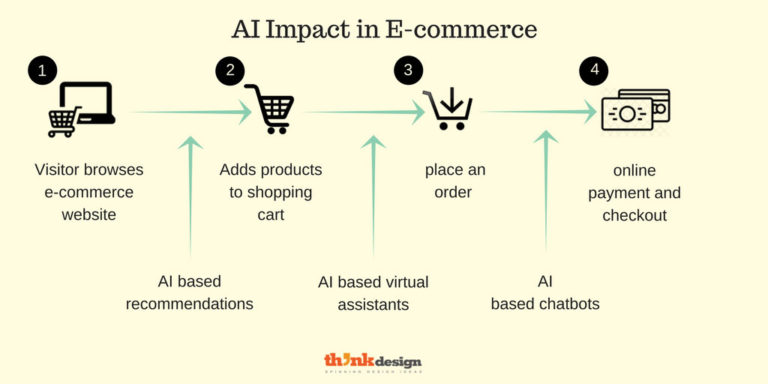
AI didn’t appear overnight. In its early days, it simply suggested products based on past purchases. Over time, improvements in technology, data, and cloud computing made AI more powerful and accessible.

Today, AI is widely used across eCommerce platforms to personalize experiences, automate tasks, and improve efficiency. The COVID-19 pandemic accelerated this adoption, forcing businesses to adapt quickly to changing customer behavior.

AI now plays a major role in shaping modern online shopping — from personalized recommendations to automated customer service.

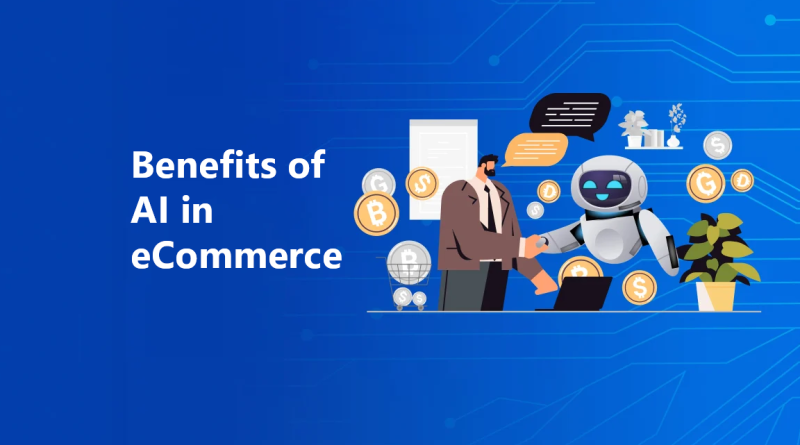
Benefits of AI for eCommerce Businesses

Benefits of AI in ecommerce

The benefits of integrating AI into your online store include:

Personalized Shopping Experience

AI analyzes customer behavior to recommend products, making shopping faster and more relevant.

24/7 Customer Support

AI-powered chatbots provide instant responses and support customers around the clock.

Smarter Inventory Management

AI helps predict demand and manage stock efficiently, reducing waste and missed opportunities.

Automation of Routine Tasks

Repetitive tasks like order processing and customer inquiries can be automated, saving time and reducing errors.

Data-Driven Decision Making

AI provides insights through data analysis, helping businesses make smarter decisions.

The Future of AI in eCommerce

AI will continue to grow and evolve, offering new ways to enhance customer experiences and improve operations. It will also play a role in sustainability by optimizing resource usage.

However, businesses must use AI responsibly by protecting customer data and ensuring fair practices.

AI is here to stay, and businesses that embrace it early will gain a significant advantage.

Be the First to Experience the Power of AI for your eCommerce Store for Free

Automating Business Services – Empowering Customers

Today we will explore a topic that’s set to bring a sense of relief to both business owners and customers alike: Automating Business Services aka Customers Self-Serve.

Now, we understand that the term “automation” might not set your heart racing with excitement. But before you dismiss it, hang on for a moment. We’re not referring to your run-of-the-mill automation. We’re delving into something that’s not only vital but incredibly beneficial: Customer Self-service!

Customer Self Service

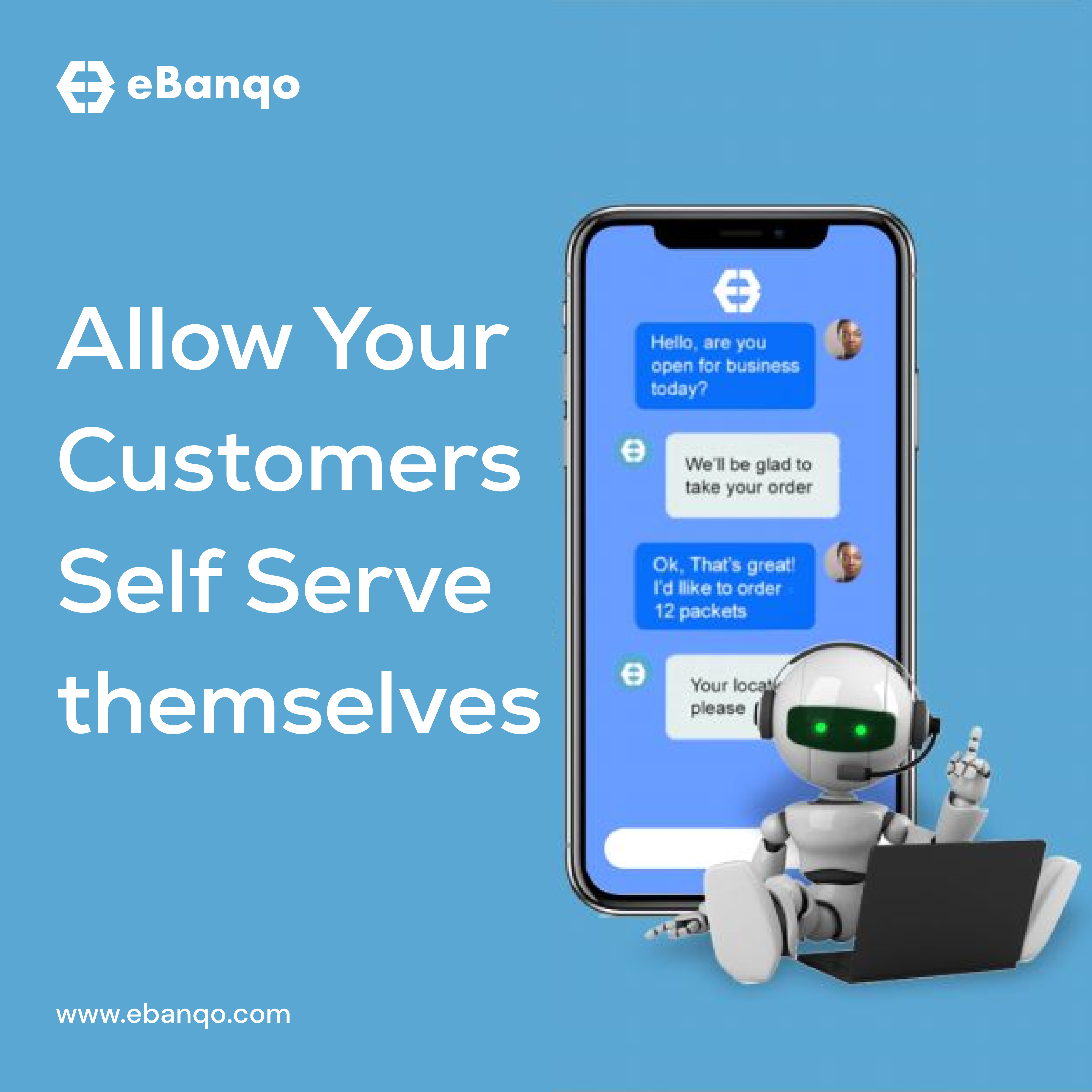
Customer self-serve automation is all about using technology to help customers do things on their own, without needing to talk to a person. For example, if you wanted to check the status of your order, instead of calling a customer service representative, you could simply use a website or app.

The idea is to make things faster and more convenient for customers while giving your employees more time to focus on complex tasks. Win-win for both parties!

Importance of automation in business services

Have you noticed businesses using chatbots or online portals for tasks like checking account status or making payments? This is customer self-serve automation in action.

By automating tasks, businesses reduce workload, save costs, and improve efficiency while customers get faster service without waiting.

Using tools like chatbots, portals, and automated systems allows customers to act independently and efficiently.

Considerations before implementation

Although implementation can be challenging, the benefits far outweigh the drawbacks.

  • Identify services to automate: Focus on routine tasks that don’t require human interaction.
  • Choose the right technology: Select tools that fit your business needs.
  • Integrate with existing systems: Ensure seamless customer experience.
  • Train staff and customers: Help everyone adapt to the system.

What your business stands to gain

  • Cost savings: Reduce operational expenses.
  • Improved satisfaction: Faster service improves experience.
  • Reduced wait time: Customers act instantly.
  • Accuracy: Automation reduces human error.

Real-life examples

Online flight check-in is a great example of self-service automation — reducing queues and improving convenience.

Online Check-in

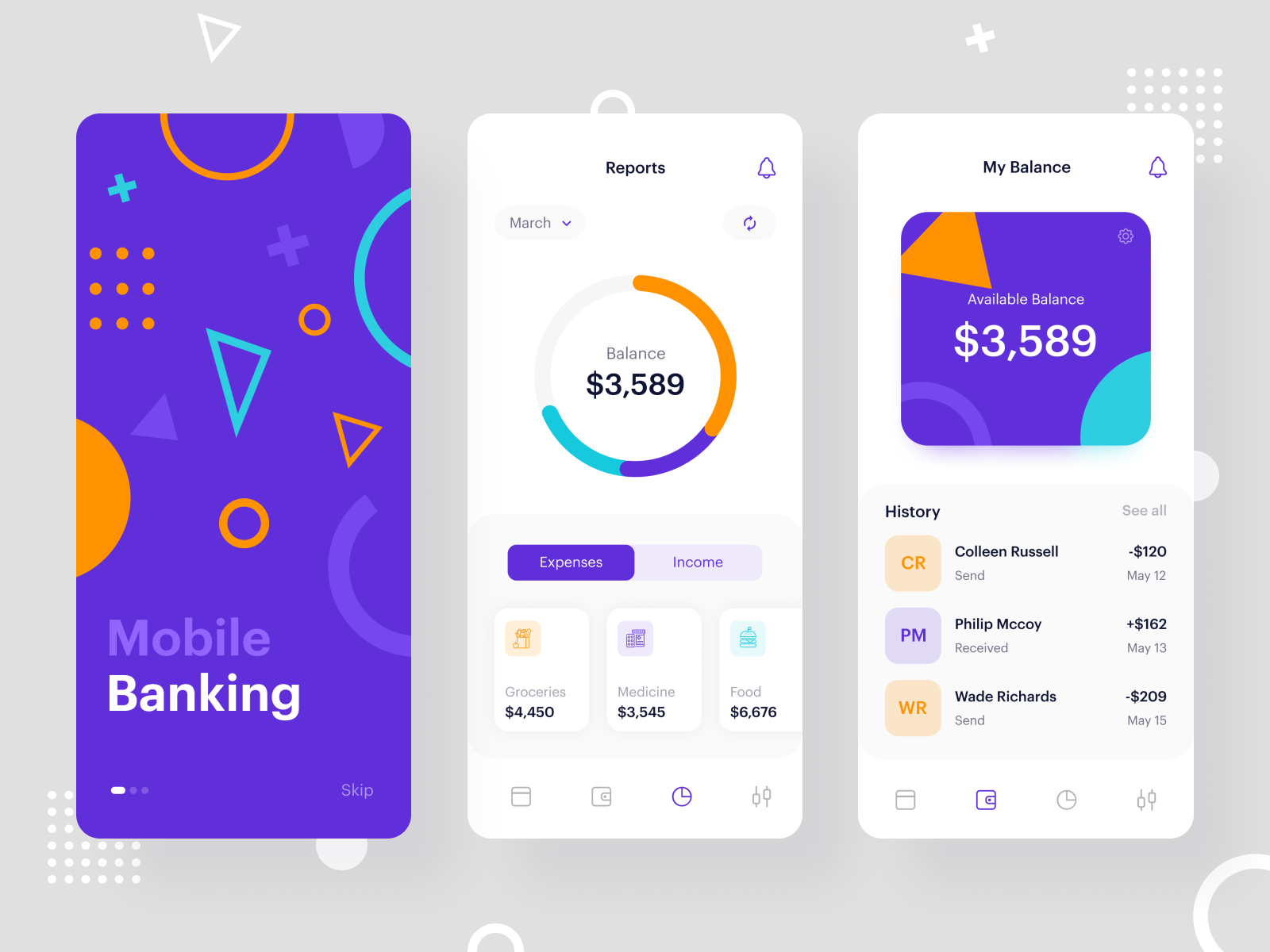
Banking apps are another example, allowing users to check balances and make payments without visiting a branch.

Banking App

Final words

As a business owner, staying updated with technology is crucial to growth. Customer self-service automation helps you stay competitive.

By offering self-service options, your business can reduce costs while improving customer experience.

However, balance is key — combine automation with human support for the best results.

Need help implementing this? Reach out at hello@ebanqo.com.

You Too can Own A Chat AI

If you’ve been wondering how your business can finally “PLUG” into the Artificial Intelligence era (Chat AI), then you’re in the right place!

In the past year, AI has thoroughly transformed the business landscape, enabling businesses ranging from SMEs to Unicorns to automate tasks, improve efficiency, and provide personalised experiences to their customers.

However, implementing AI solutions often comes with significant costs and technical barriers, especially for SMEs and Startups. Recognizing this challenge, eBanqo Chat aims to democratize AI by giving every business their own “ChatGPT”. Walk with us…

We know that the concept of having an AI-powered chatbot tailored specifically to your business needs may sound like a luxury reserved for the big players in the industry. However, eBanqo aims to change that perception.

This is how.

With our latest product, we have bridged the gap in communication between customers and businesses.

Say hello to eBanqo Chat, a customer-business engagement app that aims to bring a change in the way you communicate and resolve issues for your customers. The eBanqo Chat enables customers to discover your business, get the information they require, and have their queries promptly resolved.

With eBanqo Chat, we make AI accessible and affordable for businesses of all sizes, empowering them to leverage the benefits of AI without breaking the bank. Every business owner must get a taste of this ease!

Chat AI

Dynamic FAQs: The Sherlock Holmes of Customer Queries

The Dynamic FAQs feature of eBanqo Chat is like a business’s personal ChatGPT. Let us explain further…

An alarming number of customers have often said that the most frustrating part of poor customer service is not only “being unable to receive instant responses” but also the lack of knowledge of some customer support representatives in providing the necessary information to them.

With its unique core feature; Dynamic FAQs.

Dynamic FAQs is an advanced FAQ Bot offered on eBanqo Chat that utilizes the same technology as ChatGPT to provide accurate answers to customer questions from several data sources.

This feature serves to offer your clients a seamless means of finding all there is to know about your business.

Chat AI Info

Superpowers for Customers and Businesses

eBanqo Chat makes it easy for customers to find and engage with businesses. After all, we’re all customers of one business or the other 😉

For Business Customers, we’ve got your back

Are you tired of being treated like just another faceless customer? eBanqo Chat, along with its Dynamic FAQs feature, is here to make a difference.

  • One-stop app for all business inquiries
  • Dynamic FAQs for instant answers
  • Report issues anytime and track progress
  • Perform self-service actions easily

For Businesses, You’re in for a treat!

From small local shops to large enterprises, eBanqo Chat ensures every business can harness AI benefits.

  • Reach customers anytime, anywhere
  • Reduce wait times with automation
  • Be easily discoverable
  • Provide instant answers using AI
  • Engage customers 24/7
  • Extend to multiple channels

Get started on eBanqo chat today!

eBanqo Chat is futuristic and bridges communication gaps like never before. Ensure your customers never get left waiting.

Download from App Store or Google Play.

Chat Barcode

We value your feedback — reach us at hello@ebanqo.com.

Is Your Fintech Company Doomed? Why Al Domination is Now or Never

The fintech world is a jungle, some will say it’s a thrilling battlefield of innovation. A thrilling, chaotic jungle where disruption lurks around every corner and cutthroat competition marks the scene daily. But with the rise of Artificial Intelligence (AI), the air is thick with the scent of change, and the roar of a new predator echoes through the trees of this jungle. Here the stakes have never been higher. This isn’t just about survival; It’s a race against time, it’s about seizing dominance, and frankly, the stakes couldn’t be higher.

Remember when AI was a sci-fi fantasy…something foresaw in a witches’ snowball? A distant whisper of a future where machines ruled the world, leaving us humans to… well, to watch content videos on TikTok all day. (Let’s be honest, that doesn’t sound so bad🤌). But those days are over. AI is no longer a futuristic daydream; it’s here, it’s real, and it’s hungry. It’s gobbling up data, crunching numbers, and making decisions faster than any human could ever hope to. Behold, we have entered the era of AI dominance.

The AI Tsunami unleashed

Artificial intelligence is no longer a distant promise; it’s here, and it’s transforming every aspect of our existence, especially business. In fintech, AI is:

  • Automating processes: From fraud detection to customer onboarding, AI is streamlining operations and reducing costs.
  • Personalizing experiences: AI-powered chatbots and virtual assistants are delivering hyper-personalized customer service.
  • Unlocking new revenue streams: AI is enabling innovative products like robo-advisors and predictive analytics tools.

Why Waiting is a Terrible Strategy

Ignoring AI is a much bigger problem. Fintech companies that fail to embrace AI will quickly find themselves left behind while competitors move ahead.

Crystal Ball Gazing: Fintech Predictions Come True

Predictions about AI transforming fintech are already becoming reality, with embedded finance, open banking, and seamless global payments reshaping the industry.

As we move forward, AI will continue to drive personalized financial experiences and innovation across the fintech space.

Why Now is the Time to Strike

  • First mover advantage: Early adopters gain a competitive edge.
  • Talent acquisition: AI attracts top talent.
  • Customer expectations: Users demand AI-powered experiences.
  • Embrace change: Adapt quickly to stay relevant.
  • Experiment: Test, learn, and iterate fast.

eBanqo: Your AI Advantage

eBanqo’s AI platform helps fintech companies integrate chatbots, personalize experiences, and gain insights from data.

Conclusion

Don’t wait. The future of fintech belongs to those who embrace AI today. Visit www.ebanqo.com to learn more.